

Auriel Solaris
Get the apps

The apps your phone came with. Rebuilt to be yours.

A clock, a music player, a browser, a launcher, an on-device AI chat and a notes app. Written from the ground up in Kotlin, with no accounts, no ads and no telemetry.

Why Auriel Solaris?

Because the phone in your pocket should answer to you.

Six apps, right out of the box.

Everyday apps, each rebuilt with one set of rules. Pick one to see what makes it different.

Live readout on the 5×7 matrix

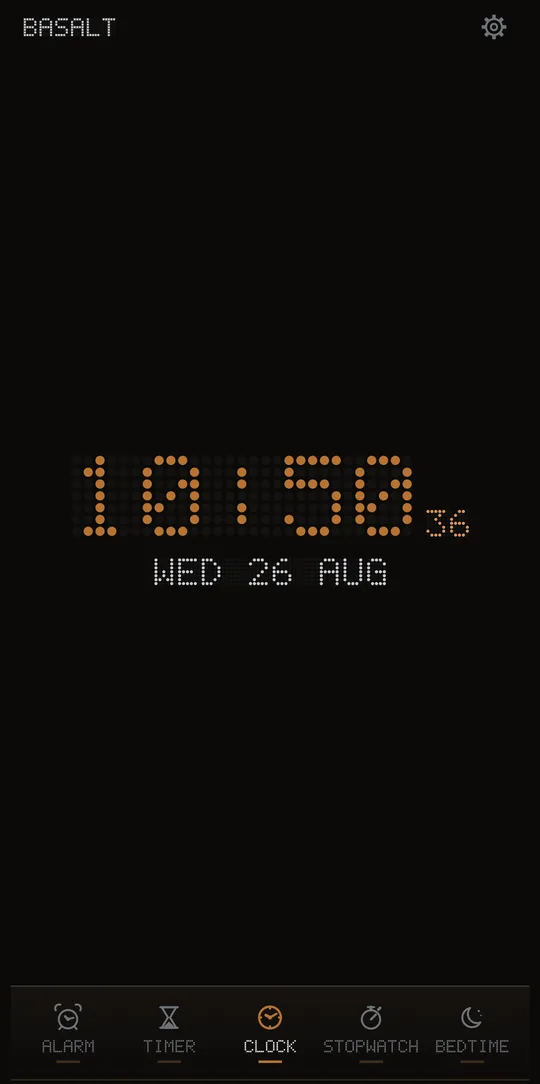
Clock

Basalt. Brass instrumentation housing a dot-matrix readout.

Rebuilt from AOSP DeskClock · MIT · Android 10+

  • Choose the part of the song that wakes you. Pick any tone, ringtone, MP3 or WAV, then set a start and an end. That exact section loops in the morning, and the preview uses the same code that rings the alarm.
  • The icon tells the time. The launcher icon is a working clock. Its hour and minute hands are separate layers that Launcher3-based launchers turn as the time changes.
Explore Basalt
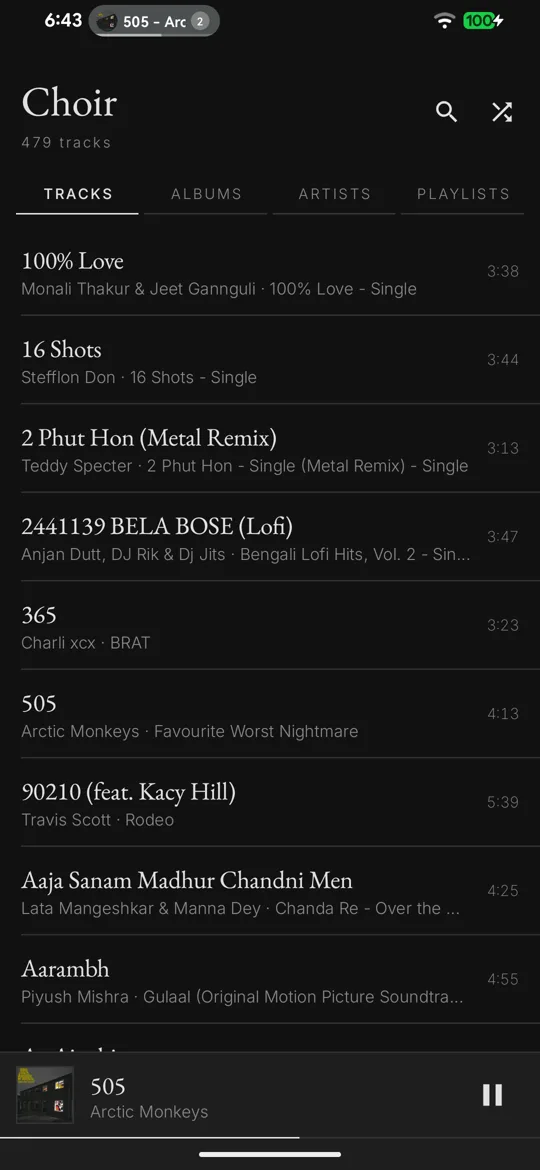
Track list

Music

Choir. What you own is what you hear.

Ported from AOSP Music · GPL-3.0 · Android 10+

  • Formats Android forgot. Plays ALAC, Dolby, WavPack, Monkey’s Audio and Windows Media, with readers for AIFF, WavPack, APE and ASF written from scratch. If a file won’t play, Choir says why.
  • Lyrics, in time. Reads lyrics from .lrc files and ID3v2, Vorbis, MP4 and WAV tags, synced line by line or word by word. Online lookup is off by default and never replaces lyrics your file already has.
Explore Choir
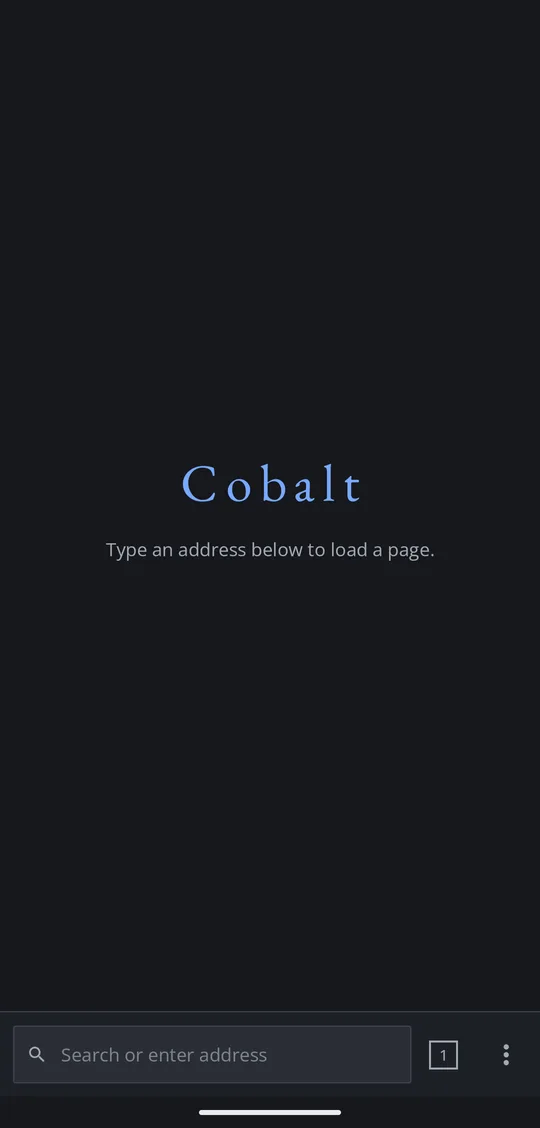
New tab

Browser

Cobalt. Desktop-class extensions, back on Android.

Revived from Kiwi Browser (Chromium) · GPL-3.0 · Android 10+

  • uBlock Origin, built in. uBlock Origin installs on first run and compiles 176,450 network filters. It can be disabled but not uninstalled, and Cobalt will not drop Manifest V2.
  • Security fixes you can check. Cobalt stays on Chromium 140 and backports fixes from current stable, 45 so far. Every CVE is listed with its upstream commit, or with the reason it was left out.
Explore Cobalt
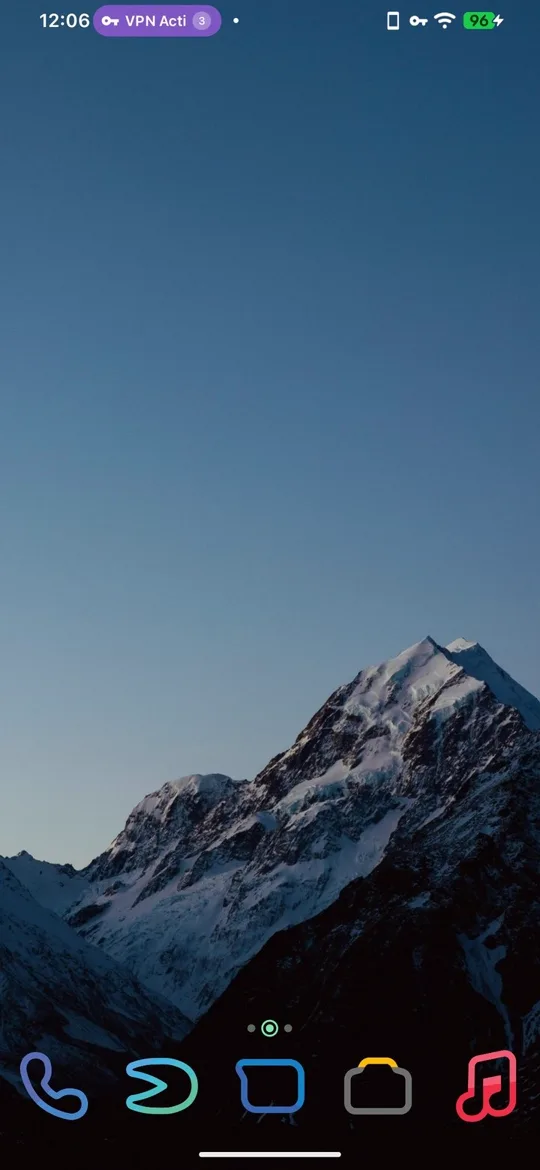
Your grid, your dock

Launcher

Eden. Your home screen, your rules.

Rewritten from AOSP Launcher3 · MIT · Android 10+

  • Pages you control. Add, delete or reorder pages, keep one empty on purpose, and set any page as home. Long-press to zoom out and manage them as cards.
  • Eleven live wallpapers, rewritten. Phase Beam, Nexus, Galaxy, Grass, Polar Clock and more, rewritten in OpenGL ES after Android stopped shipping them. You can also loop your own video as a wallpaper.
Explore Eden
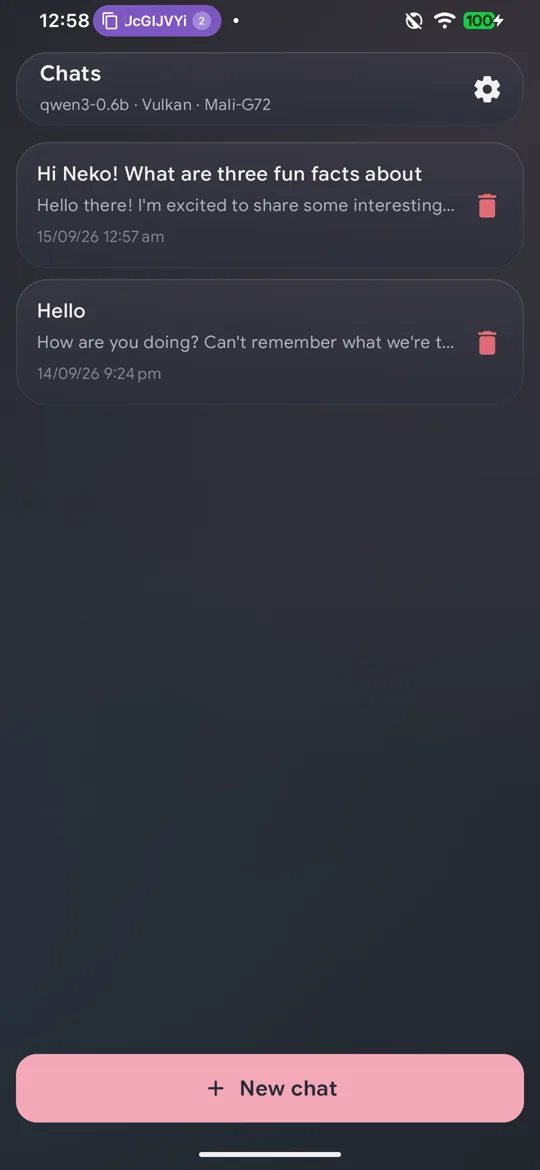
Chats

AI chat

NekoChat. Private AI chat that runs on your phone.

Original to the suite · GPL-3.0 · Android 5.0+

  • Uses the GPU when it can. Auto mode tries Vulkan, then OpenGL ES 3.1, then the CPU. A GPU is used only after its results match the CPU in a self-test.
  • FP16, FP8 or FP4. Weights are quantized as the model loads. FP8 halves memory with nearly identical answers, and FP4 quarters it.
Explore NekoChat
Notes list

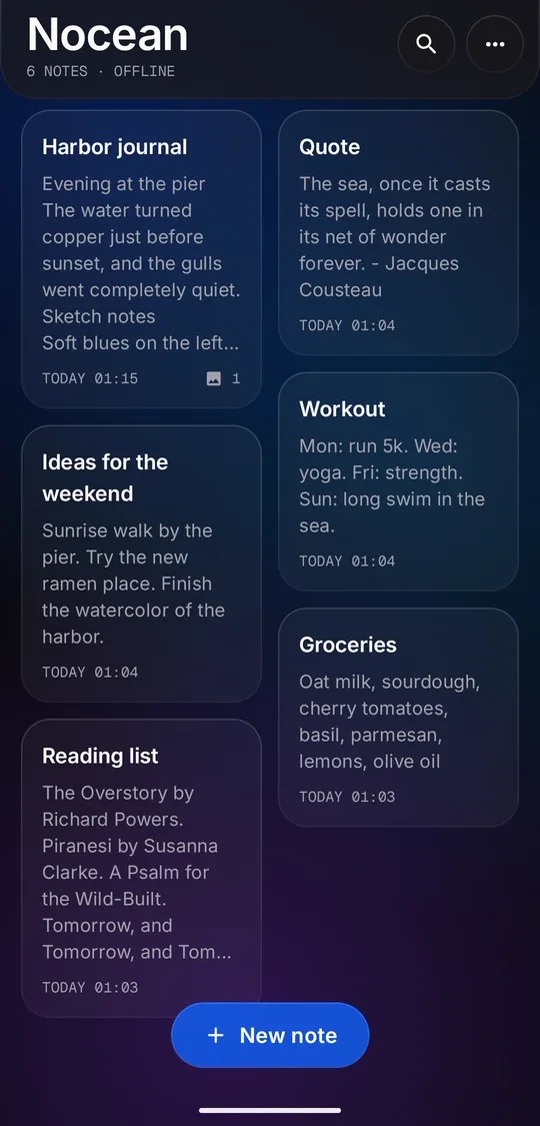
Notes

Nocean. All the notes, none of the cloud.

Original to the suite · MIT · Android 10+

  • No internet permission at all. Nocean does not hold the INTERNET permission, so it cannot go online. Every note and every file stays in the app’s private storage.
  • Rich text, with fonts built in. Use H1 to H3 headings, bold, italic and a different font for any stretch of text. Eight Google Fonts are bundled in the APK, so they work without a network or Play Services.
Explore Nocean

Promises, built in.

What every app in the suite commits to, from the first release on.

  1. Local-first

    Everything works offline. No accounts, no telemetry, and no history kept about you. When a feature needs the network, it is opt-in and says what it sends.

  2. Built for the low end

    The target is a 2-core phone with 4 GB of RAM, not a flagship. The apps avoid allocations in draw code and keep dependencies to a minimum.

  3. Honest about origins

    Each app says what it came from and whether it is a port, a fork or a rewrite. Upstream code is credited in NOTICE files, not hidden.

  4. Open, all the way down

    Every app is MIT or GPL-3.0, builds from source, and ships with its design decisions written down.

Open source

Still curious?

Read the code, the design notes and the changelogs for every app.

Browse the source